In mid-2023, NASA faced a high-stakes infrastructure challenge: the existing floor of VAB High Bay 2 (HB-2) lacked the structural integrity to support the build-up of the Artemis II Core Stage. The Boeing Company required a specialized structural steel fixture to store and assemble the launch vehicle, yet the foundation had to withstand a massive 900-kip load at each of its nine column baseplates.
The primary engineering hurdle was differential settlement. Because the fixture spanned both legacy VAB pile caps and newly constructed supports, any uneven shifting would cause the fixture to lean, rendering it unusable and potentially derailing the Artemis II mission timeline.
Strategic Procurement & Accelerated Mobilization: Time was the most significant constraint. With a non-negotiable completion date of December 31, 2023, NASA utilized the Kingstruction-Advon Joint Venture (KAJV). As an 8(a) and SDVOSB certified entity, KAJV allowed NASA to bypass lengthy procurement cycles through a sole-source negotiation.
- Contract Awarded: September 1, 2023
- Notice to Proceed: September 13, 2023
- Mobilization/Demolition: Commenced September 16, 2023
To meet this aggressive 109-day window, the team maintained a grueling schedule, working six days per week, ten hours per day, with a peak workforce of 34 personnel. All delays—including federal holidays and weather—were absorbed to protect the mission-critical deadline.
Technical Execution & Engineering Precision: The project was executed within the VAB’s high-security, “clean-room” industrial environment, requiring stringent environmental controls.
1. Deep Foundation & Structural Reinforcement
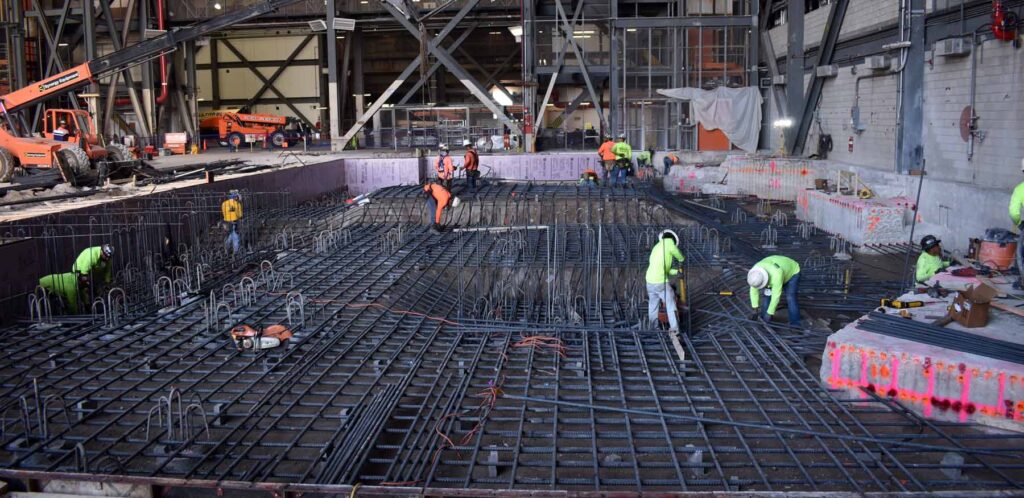
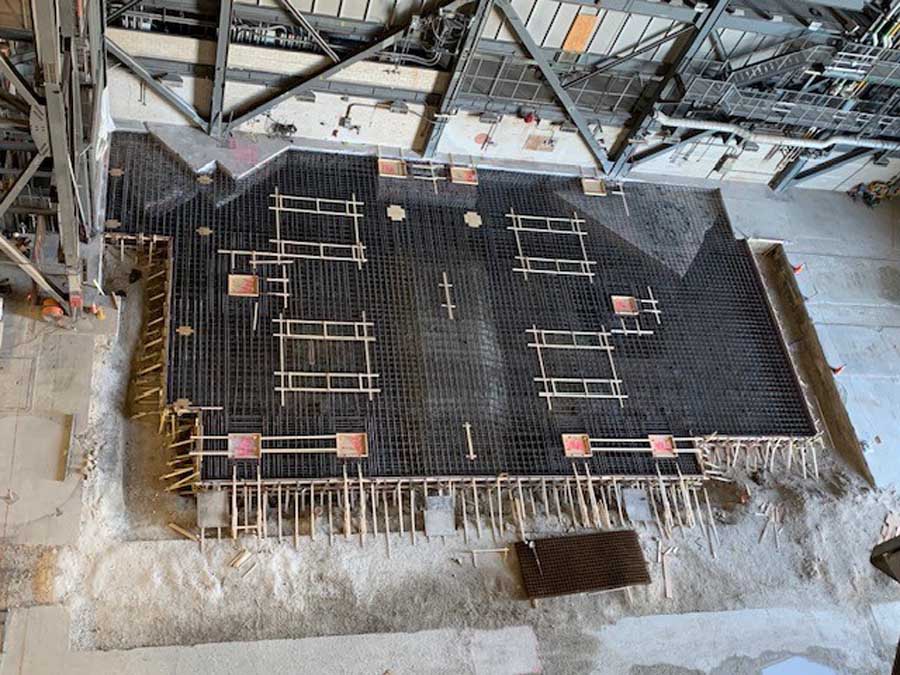
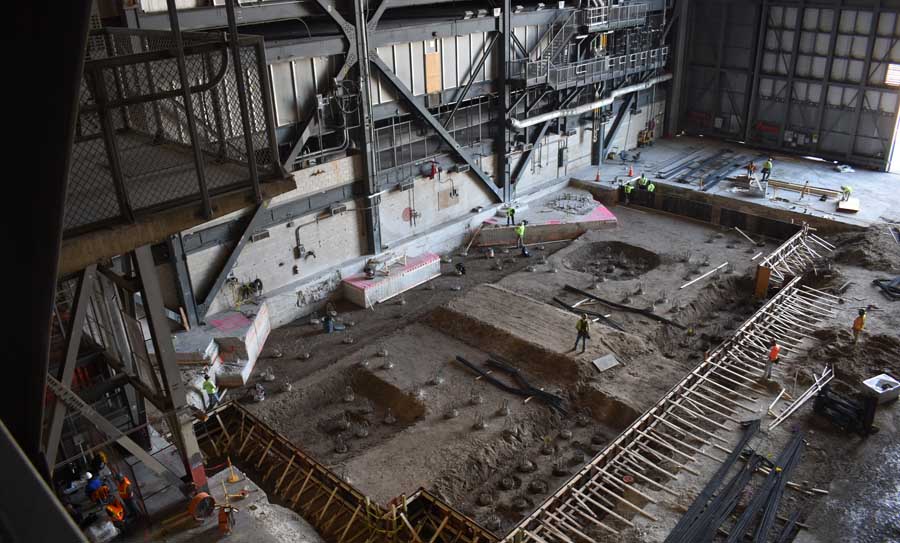
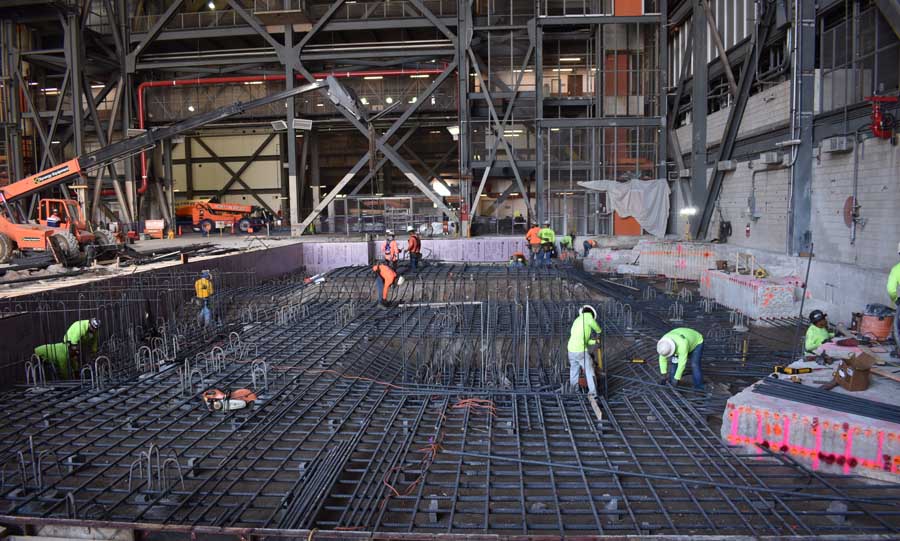
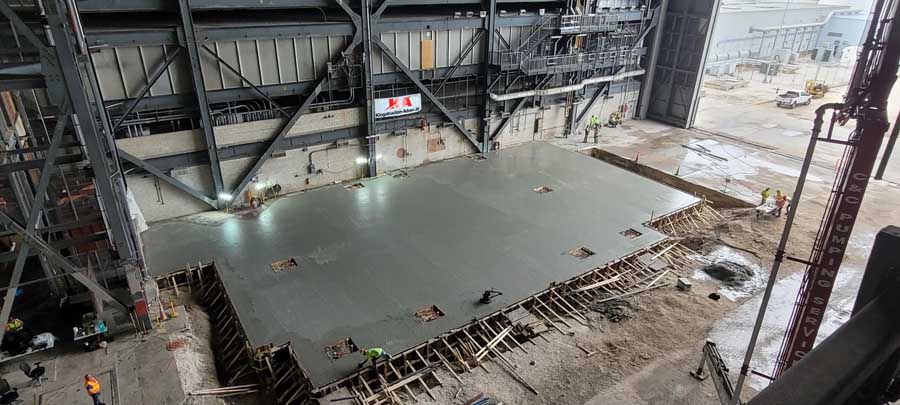
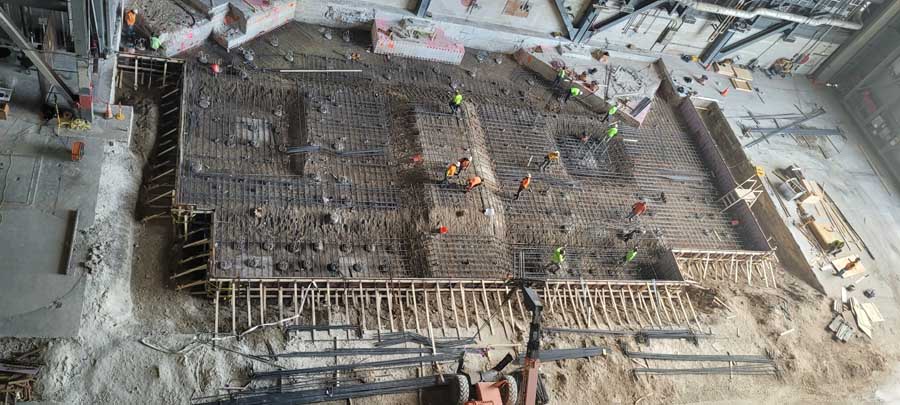
The scope involved heavy structural demolition and the precision installation of 124 auger cast piles. To tie the foundation together, the team installed 96 tons of reinforcement steel (rebar) before executing a massive, monolithic pour.
2. Mass Concrete Management
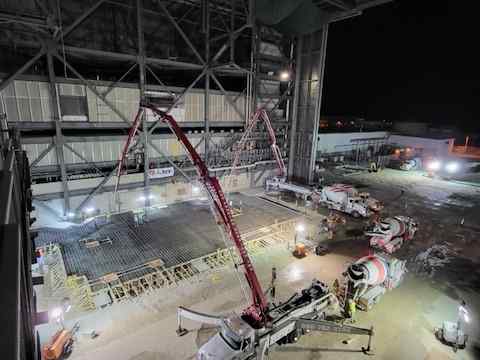
The centerpiece of the foundation was a single, high-volume pile cap consisting of 1,050 cubic yards of concrete. Due to its sheer density, KAJV implemented specialized mass concrete protocols:
- Thermal Engineering: KAJV provided the necessary engineering to manage the heat of hydration, installing temperature monitors throughout the structure.
- Curing Control: To prevent thermal cracking, the team insulated edge forms prior to the pour and the top surface immediately after.
- Monitoring: For a seven-day cure period, the team provided 24/7 monitoring to ensure no excessive temperature differentials occurred within the structure.
3. Site Restoration & Final Grade
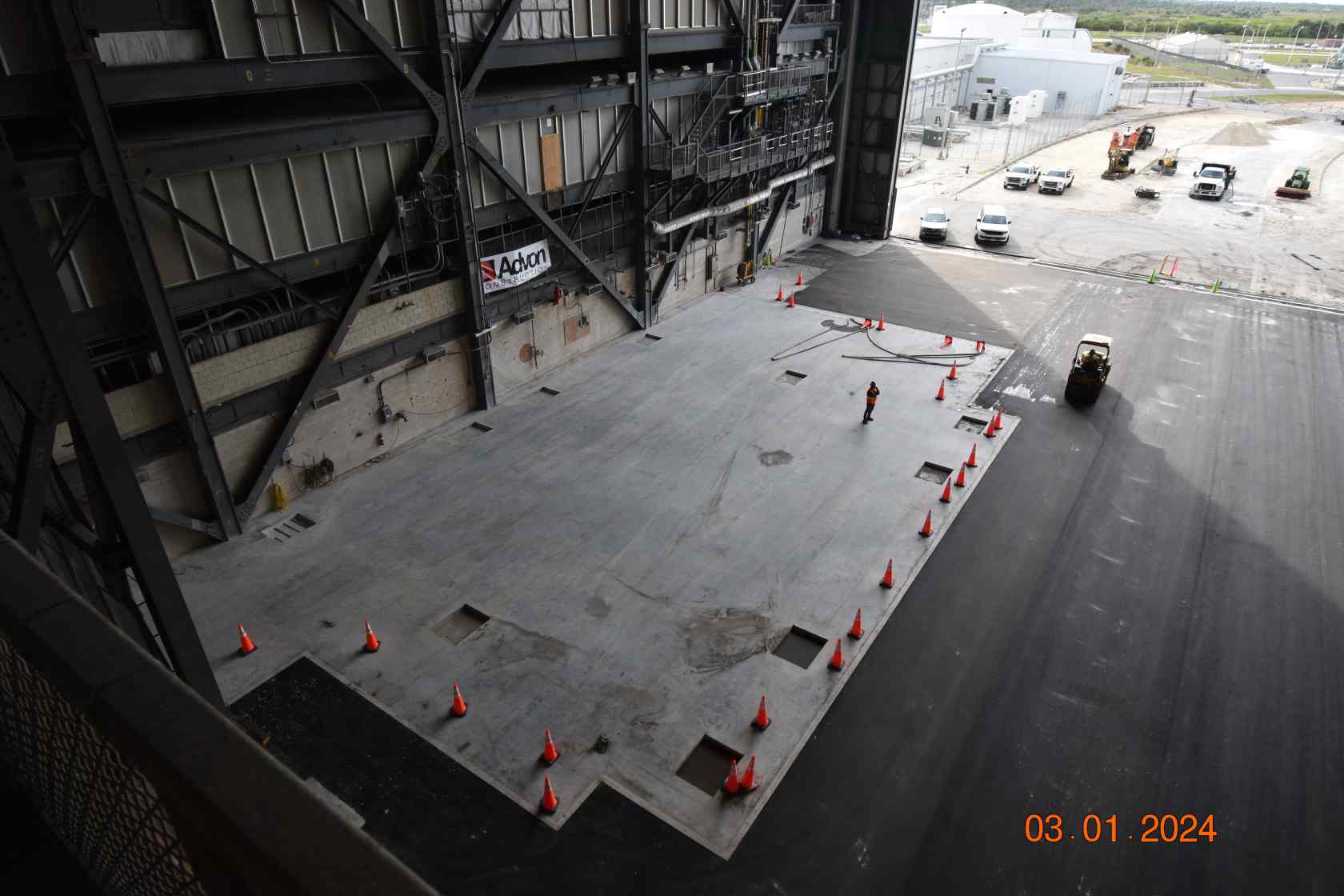
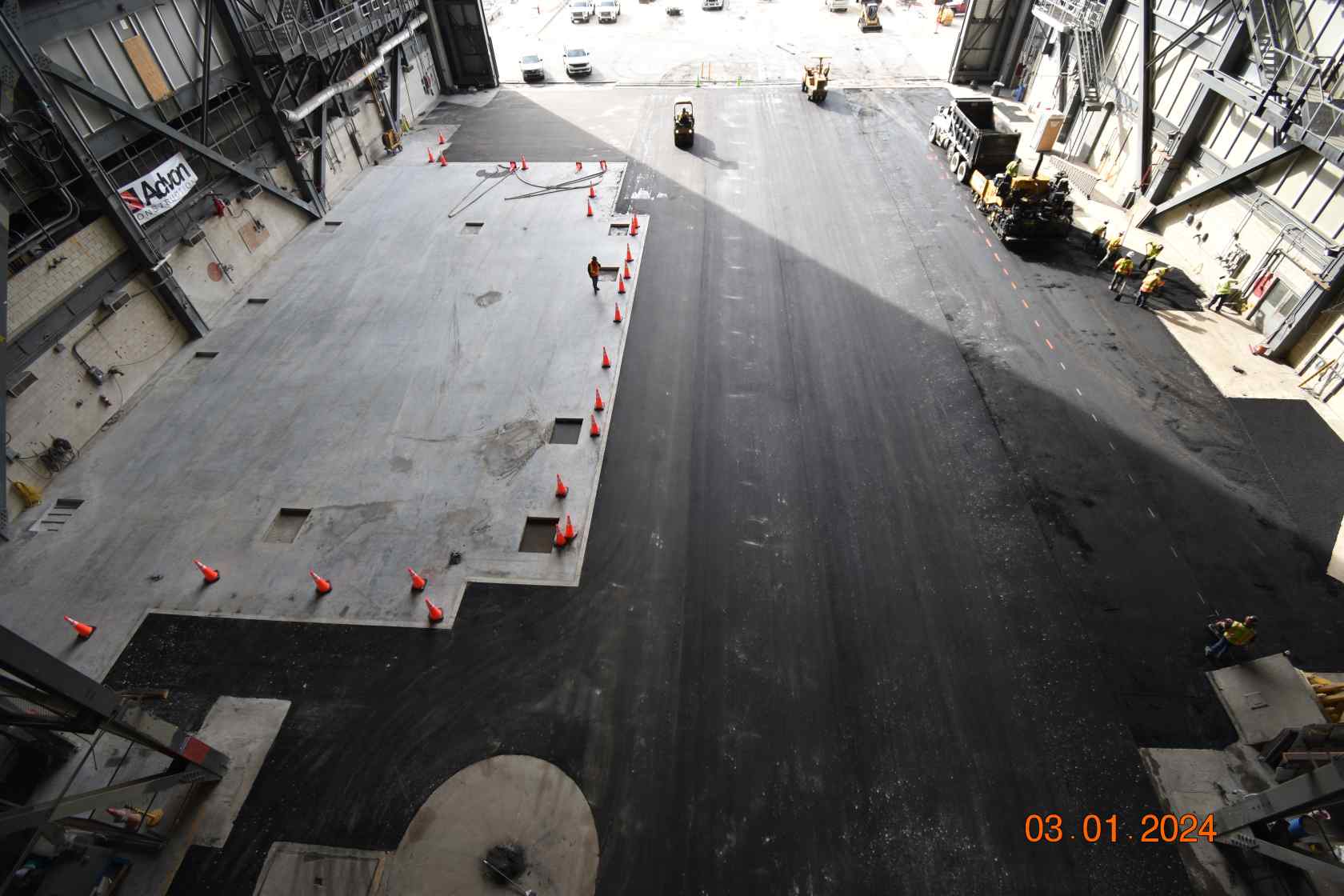
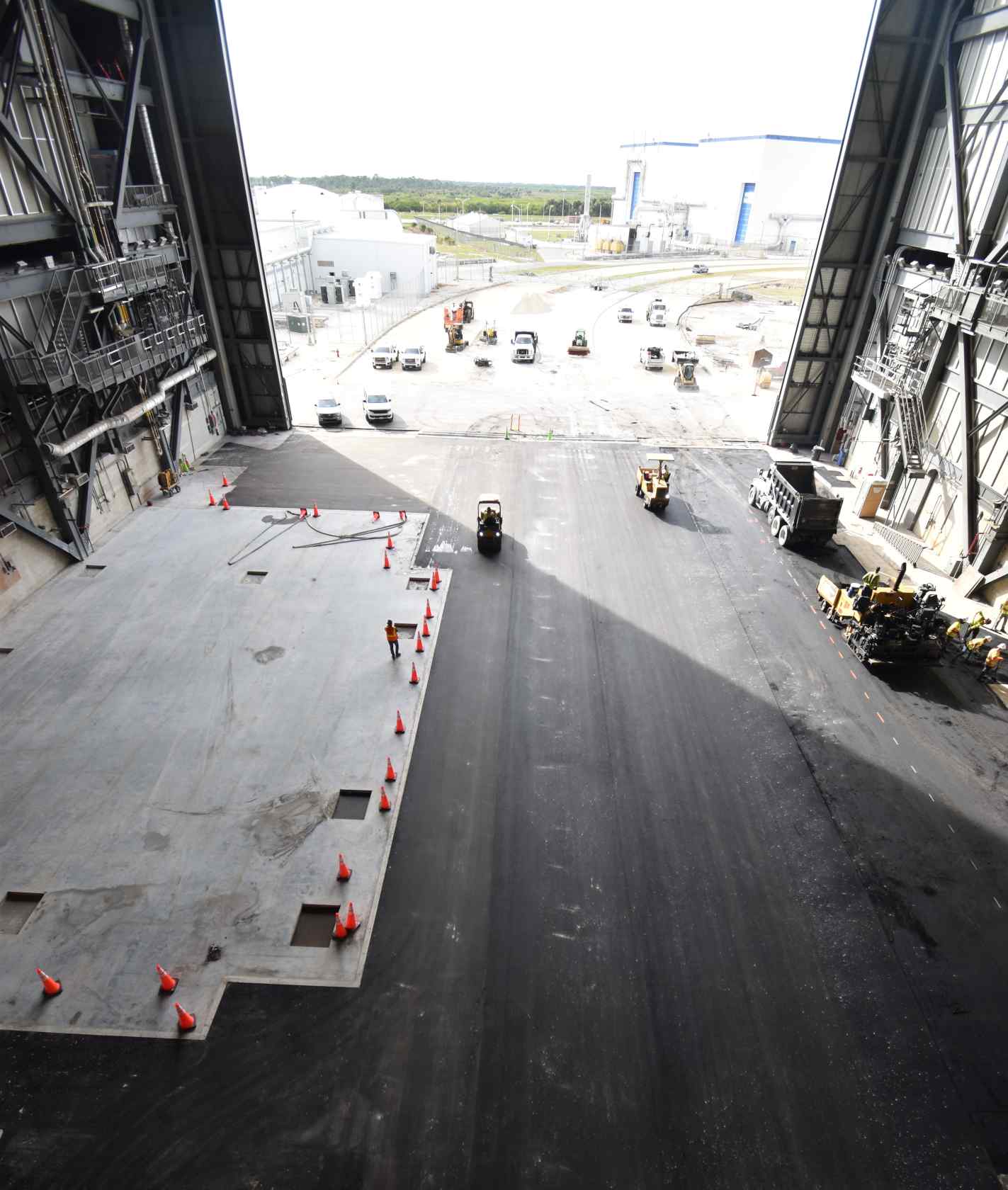
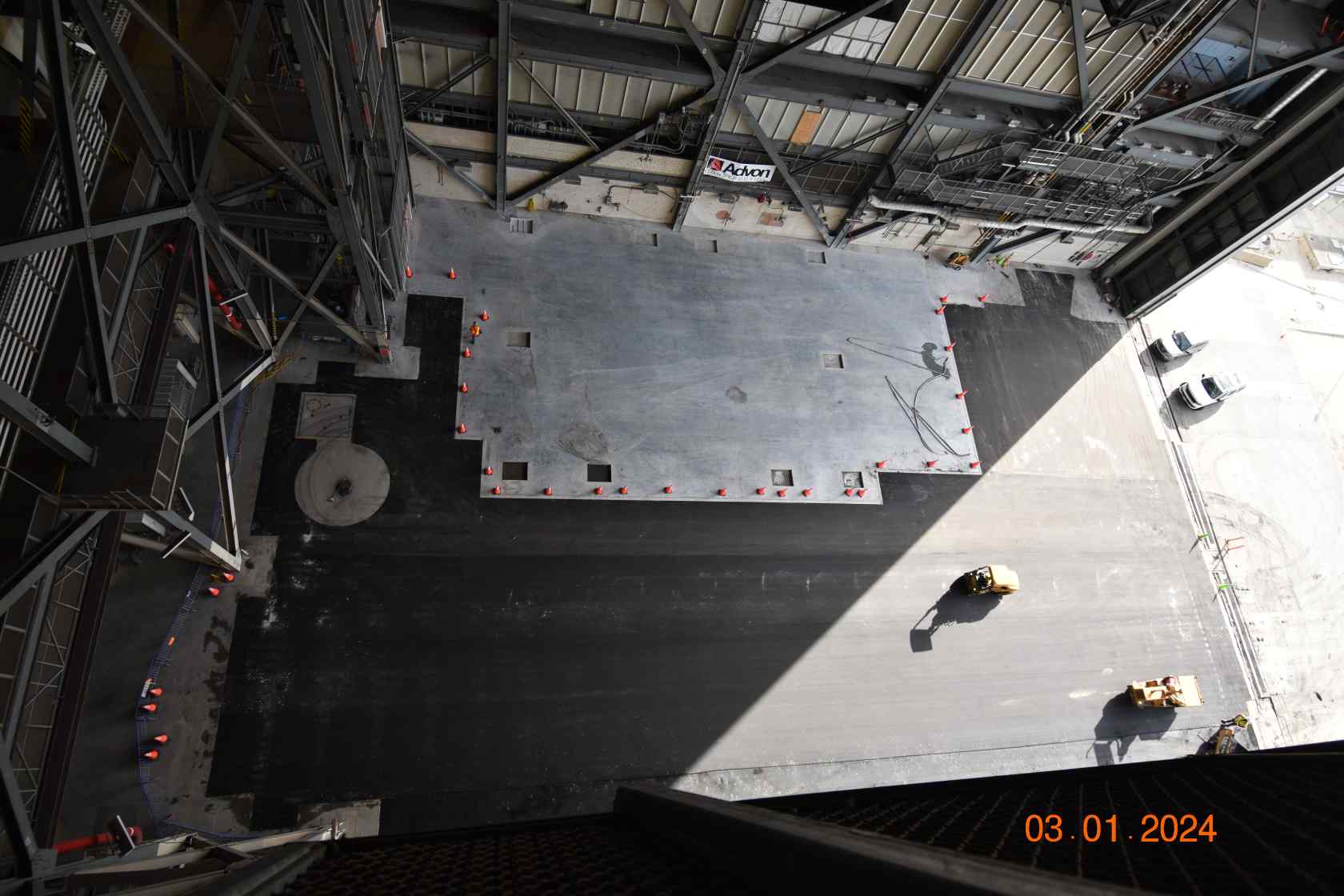
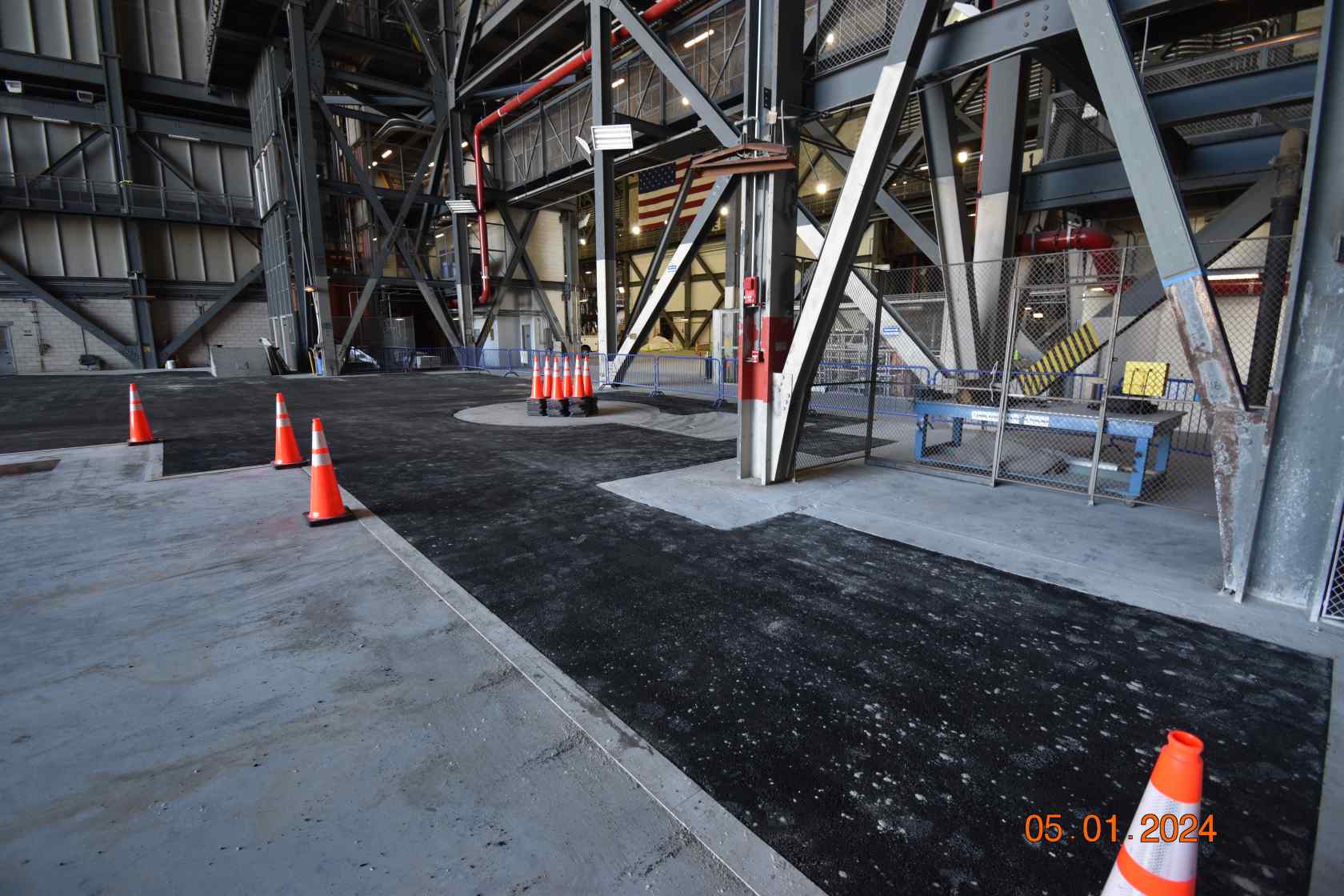
Following the successful cure, the team backfilled the excavation with stabilized subgrade and a lime rock base. To ensure the high bay met the exacting standards for launch vehicle processing:
- The existing asphalt surface was milled to a 1” depth.
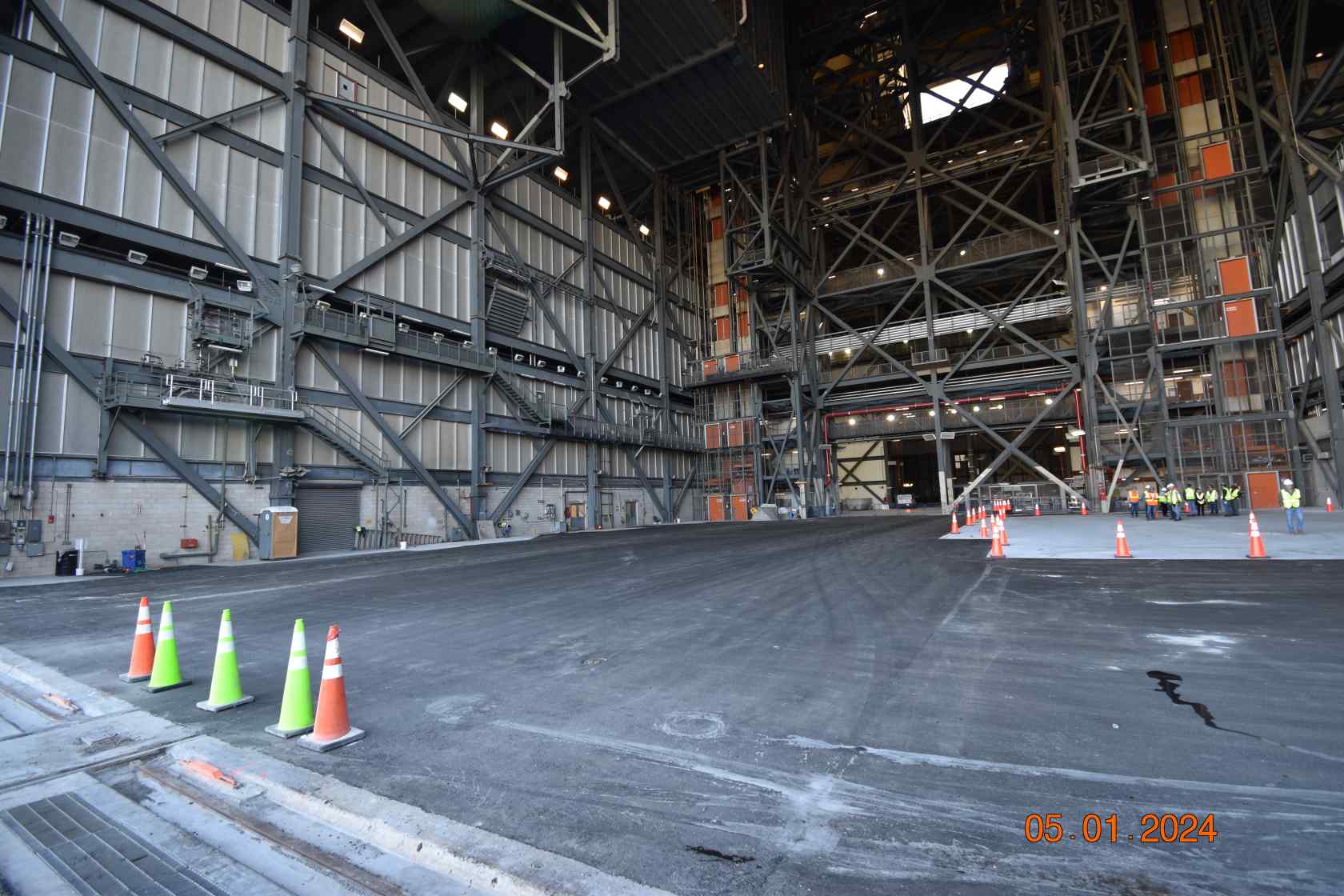
- A precision 2” asphalt overlay was applied across the entire high bay.
- The result was a perfectly level, high-capacity surface ready for the assembly of the world’s most powerful rocket components.