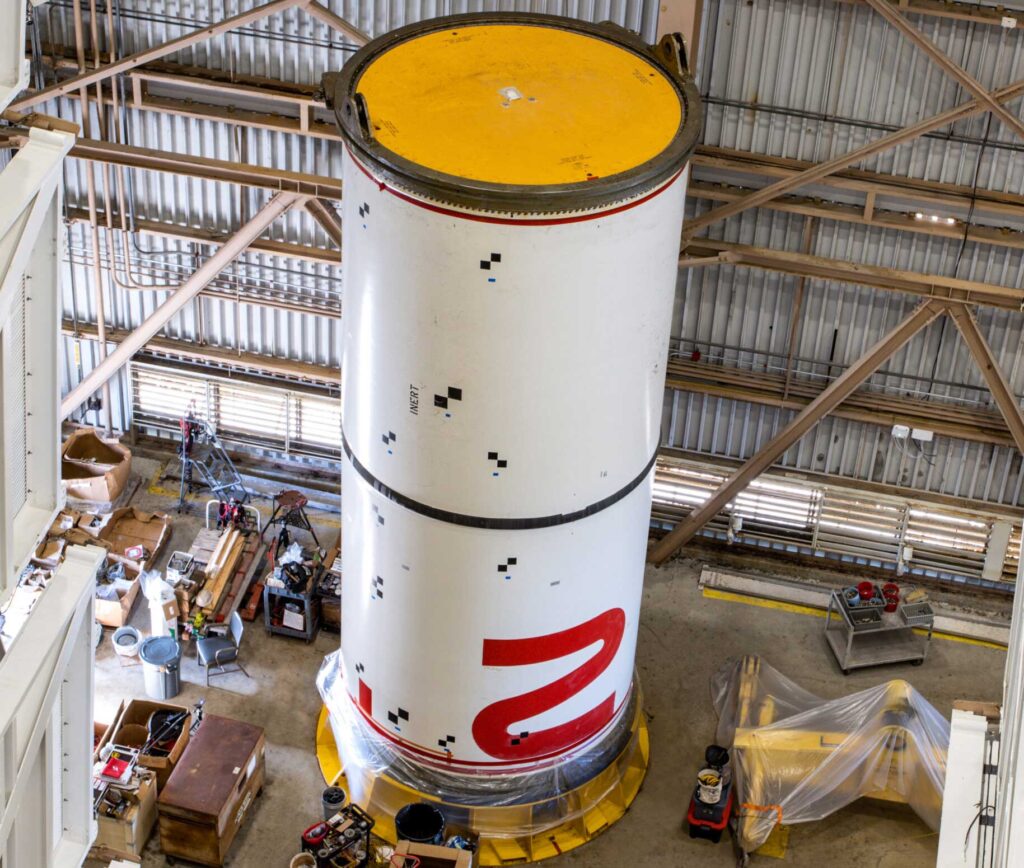
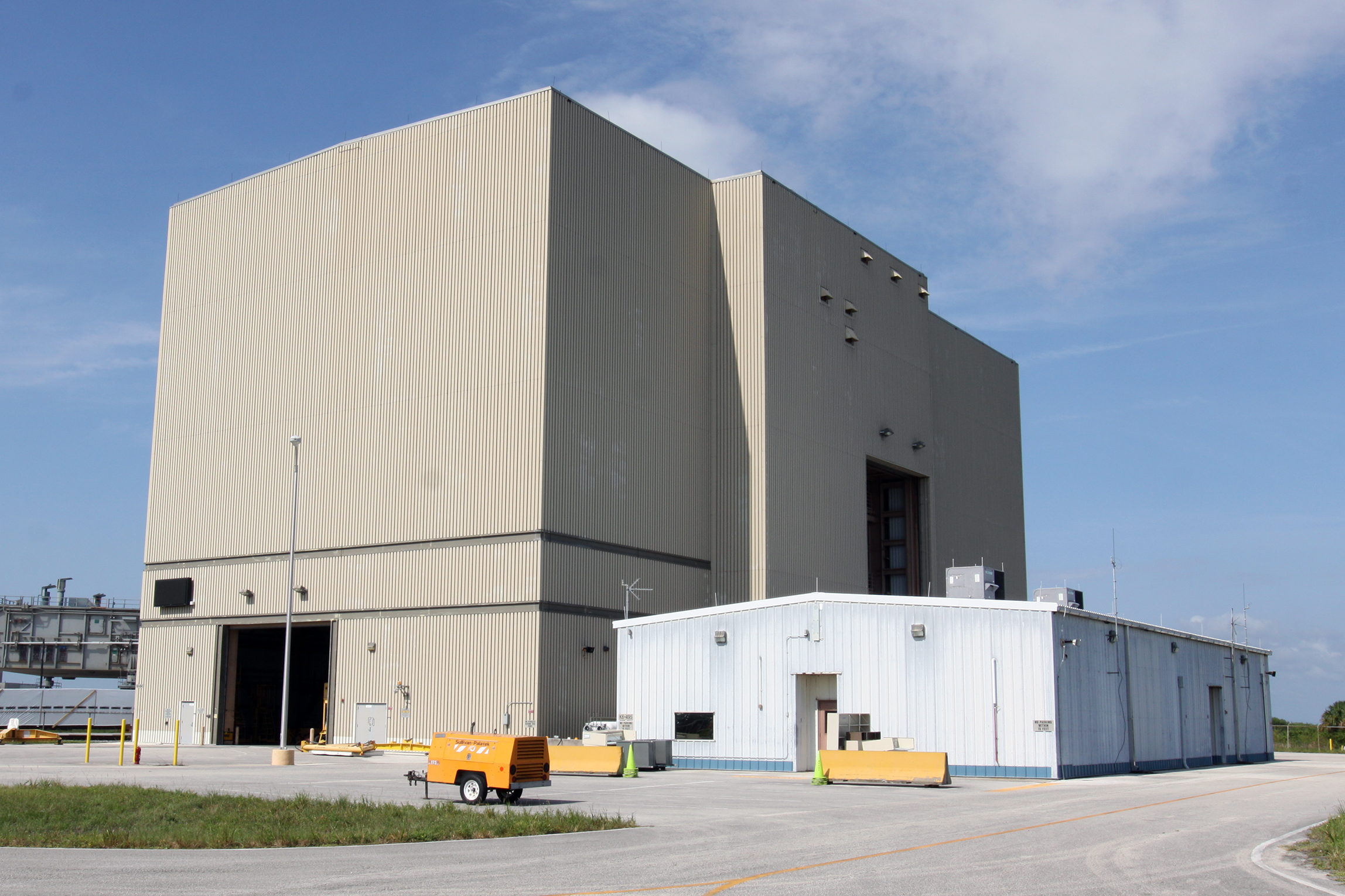
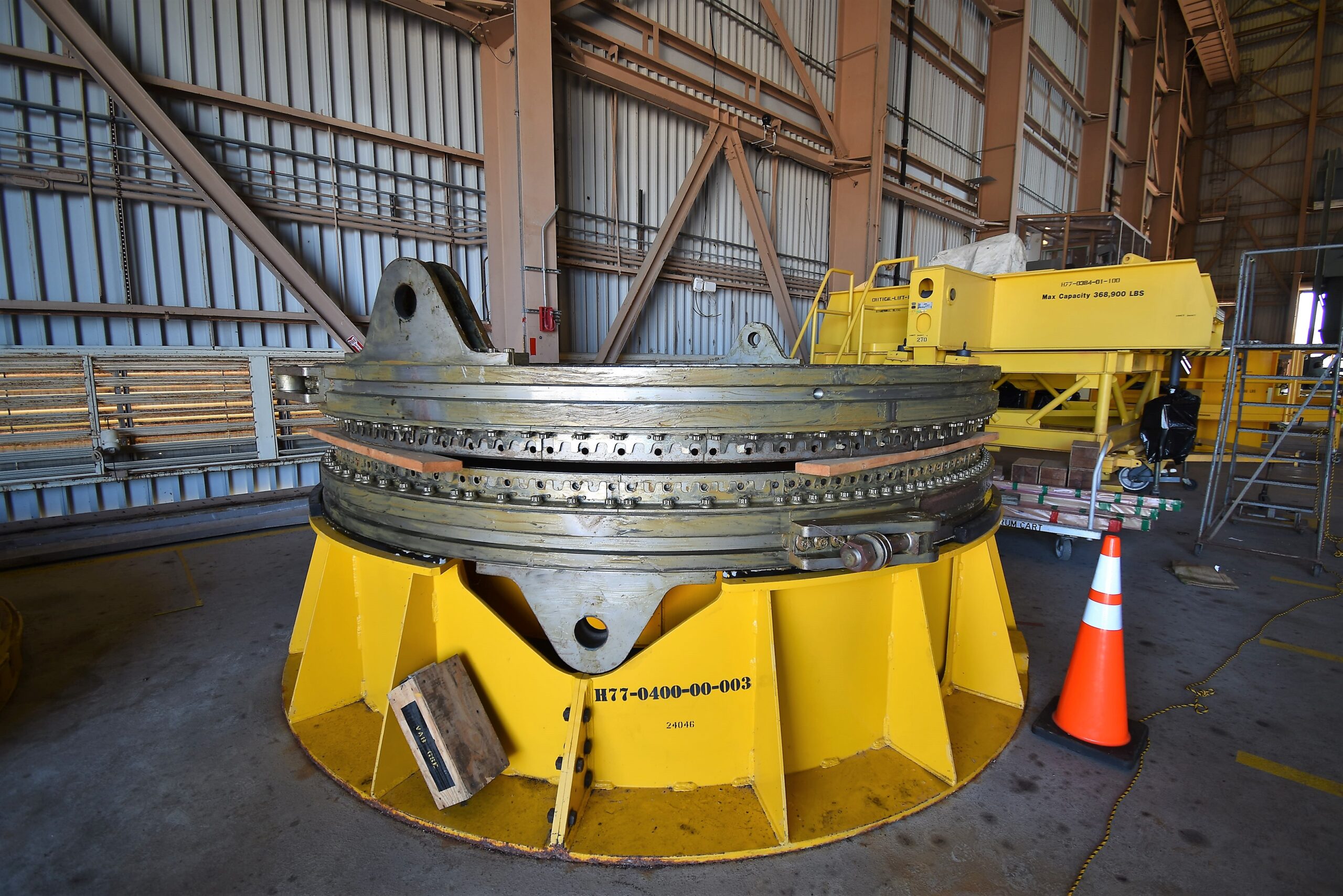
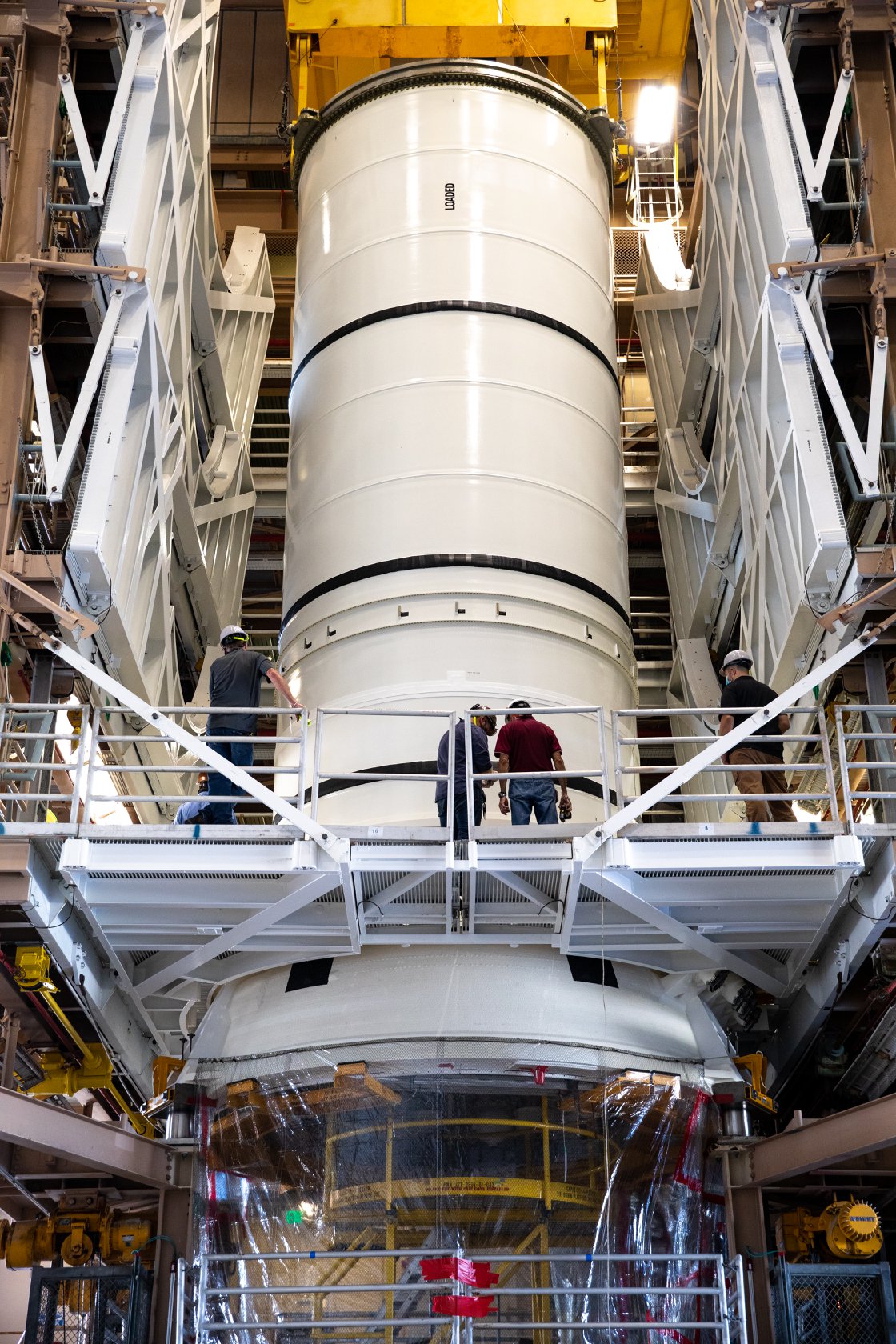
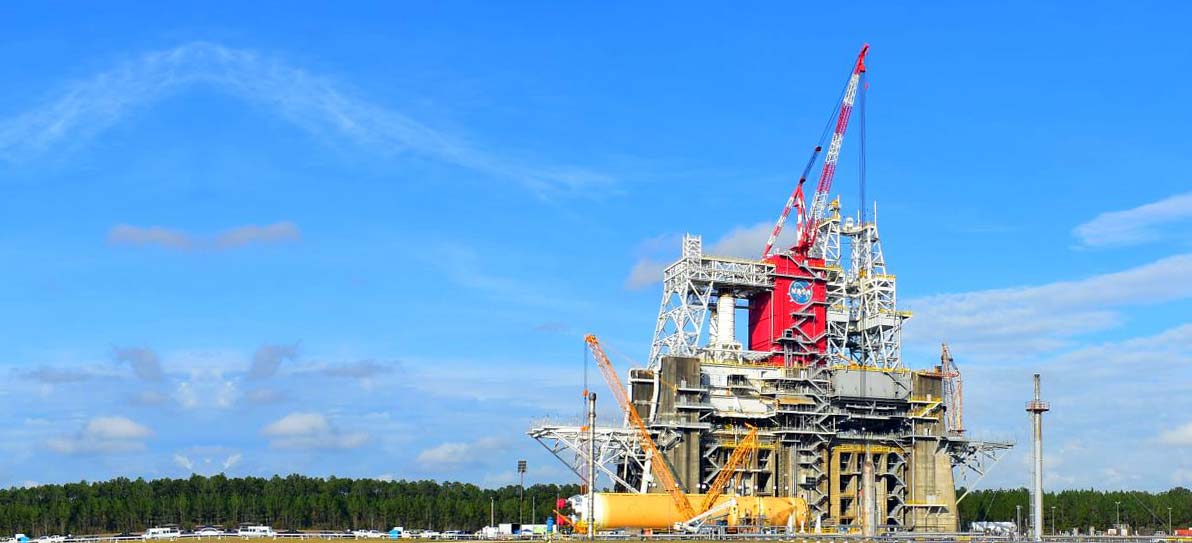
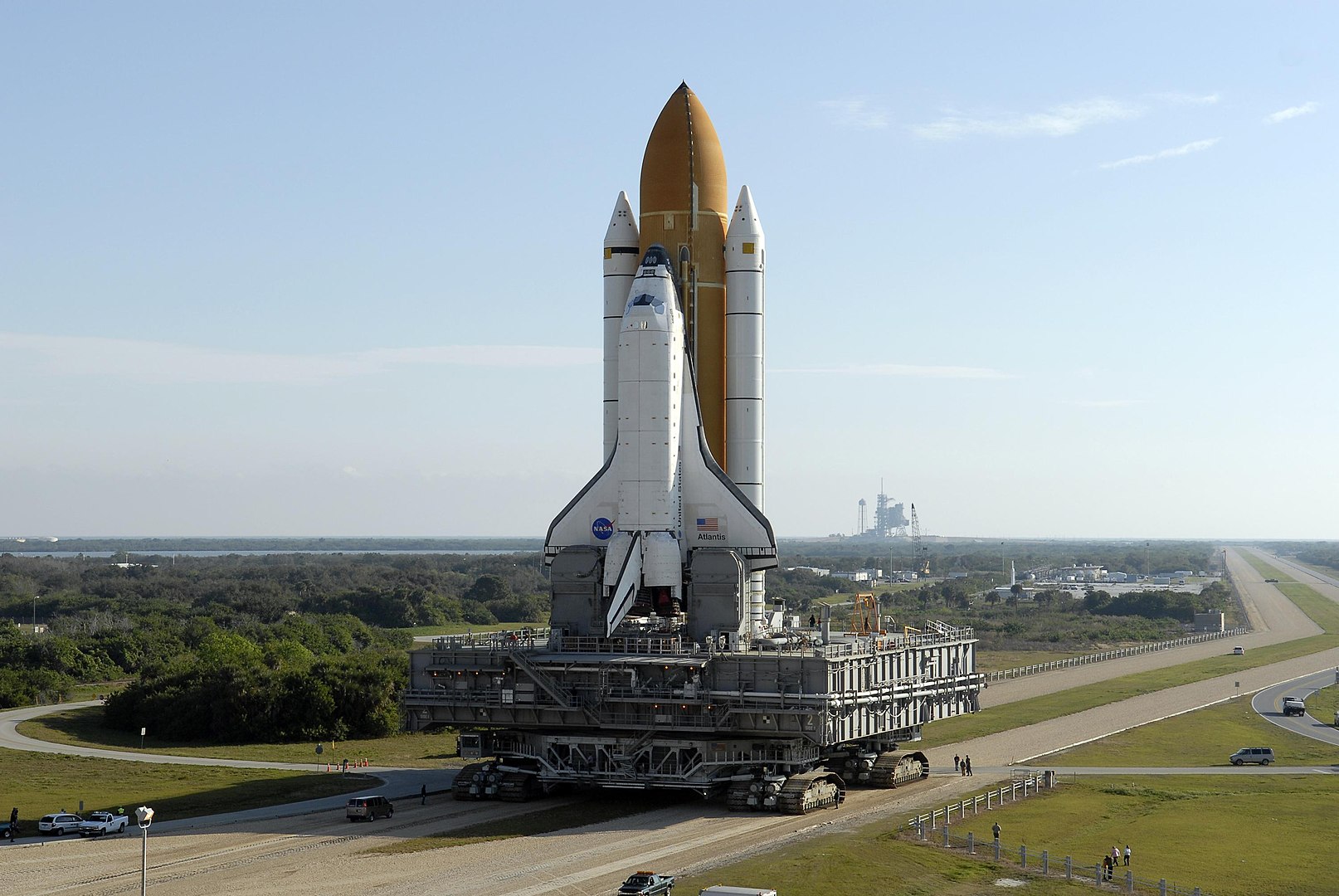
The Rotation, Processing, and Surge Facility (RPSF) serves as a critical artery in NASA’s deep-space exploration pipeline. Situated within the historic Launch Complex 39, the RPSF is the primary intake point for the Space Launch System (SLS) solid rocket booster segments. Here, vital hardware is inspected and prepared before transitioning to the Vehicle Assembly Building (VAB) for final integration.
Given its role, the RPSF represents a singular point of failure for the Artemis missions; without this facility, the journey to the Moon and Mars cannot begin.
Historical Significance and Mandate: Originally constructed in 1984 to support the Space Shuttle Program, the RPSF is a landmark of aerospace engineering, deemed eligible for the National Register of Historic Places. However, a 2019 Operational Review by NASA’s Exploration Ground Systems (EGS) identified a mission-critical need: the facility’s fire protection and detection infrastructure required a comprehensive overhaul to meet modern safety standards for the SLS era.
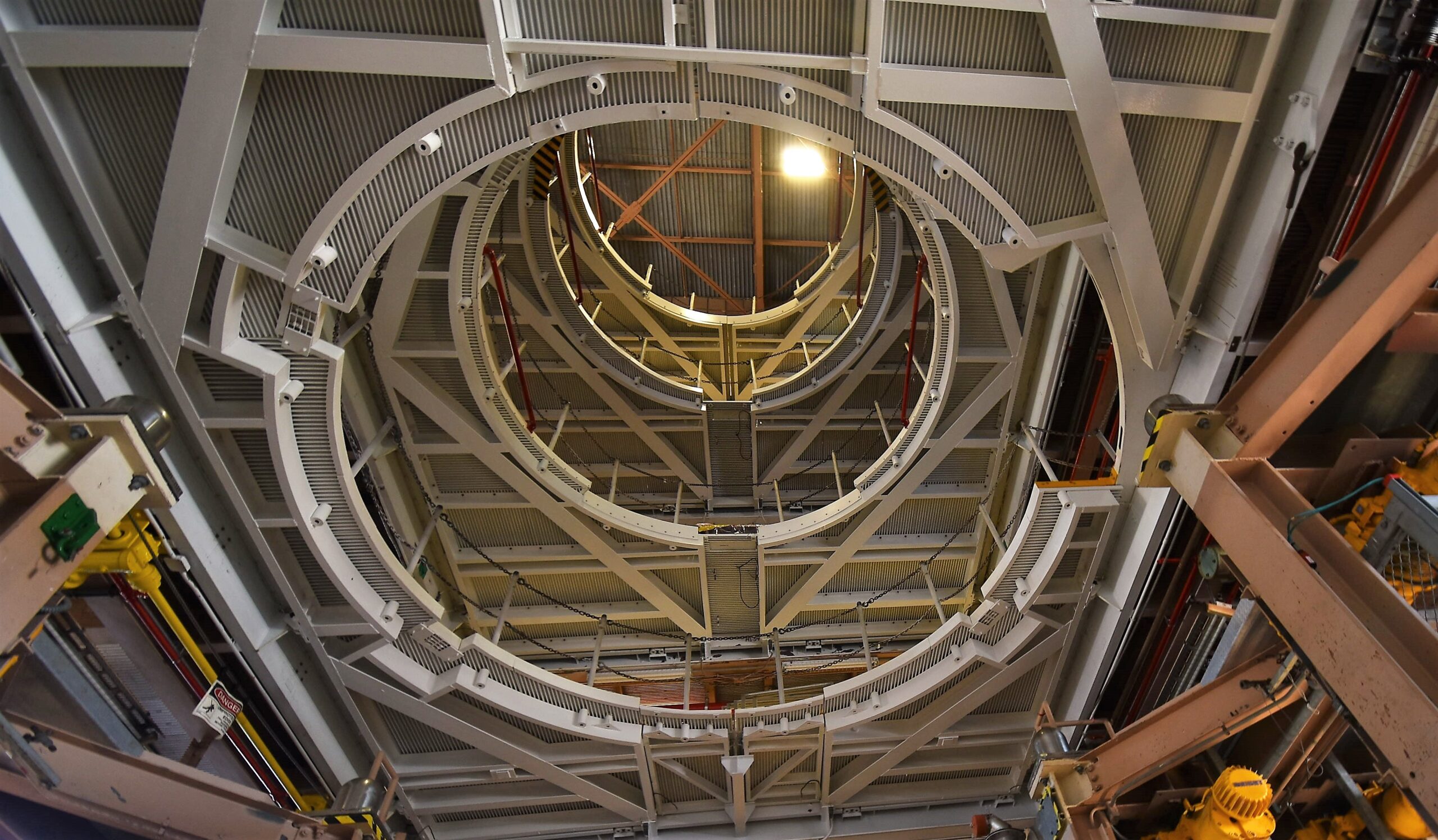
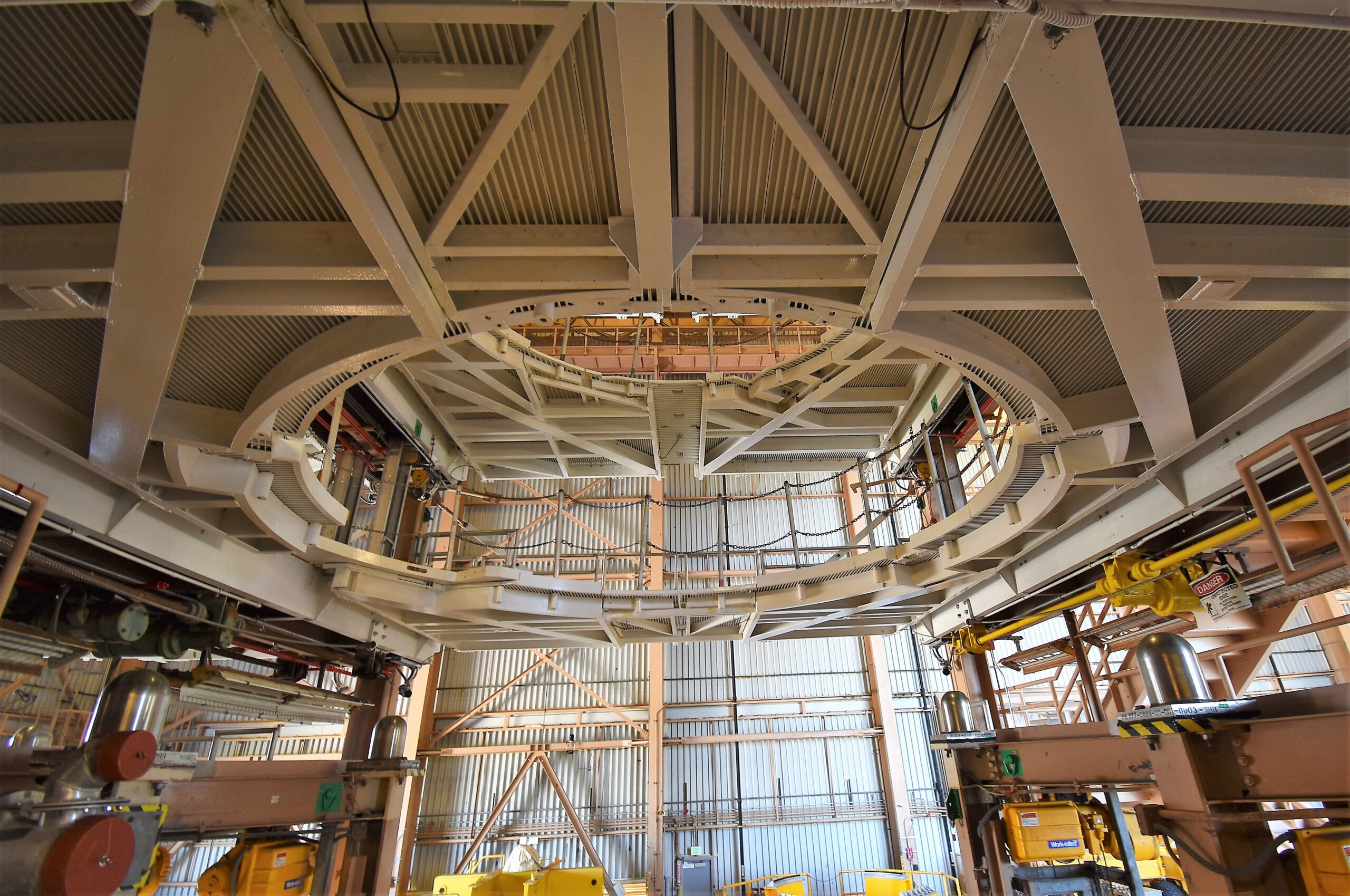
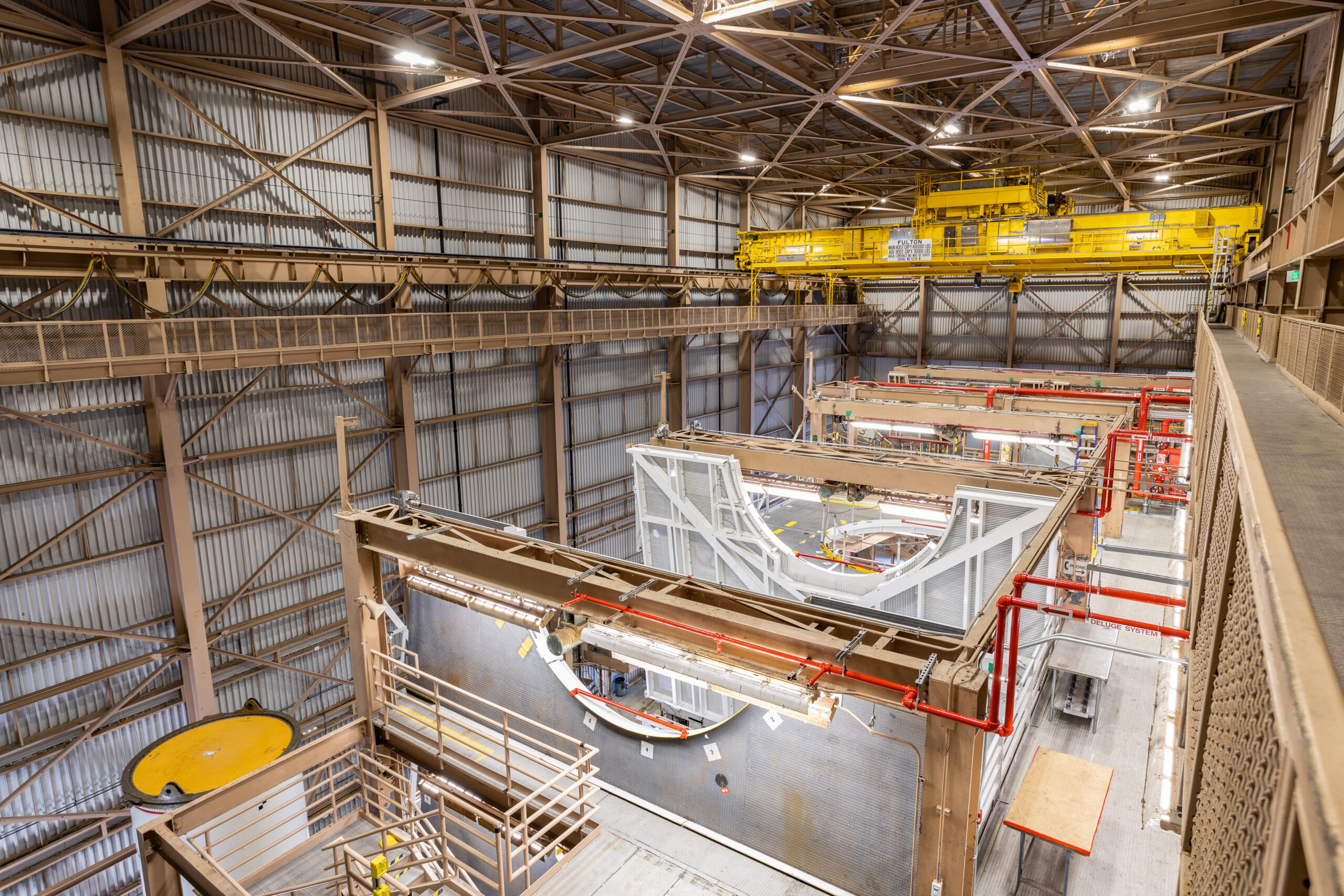
Scope of Work: The project focused on the facility’s High Bay—a massive industrial volume standing over 90 feet tall—where specialized work stands and platforms provide technicians access to rocket hardware. ADVON was tasked with a complete “strip-and-replace” modernization of these systems.
1. Fire Suppression & Utilities
ADVON installed high-performance fire mitigation systems designed to protect both personnel and multi-billion-dollar flight hardware:
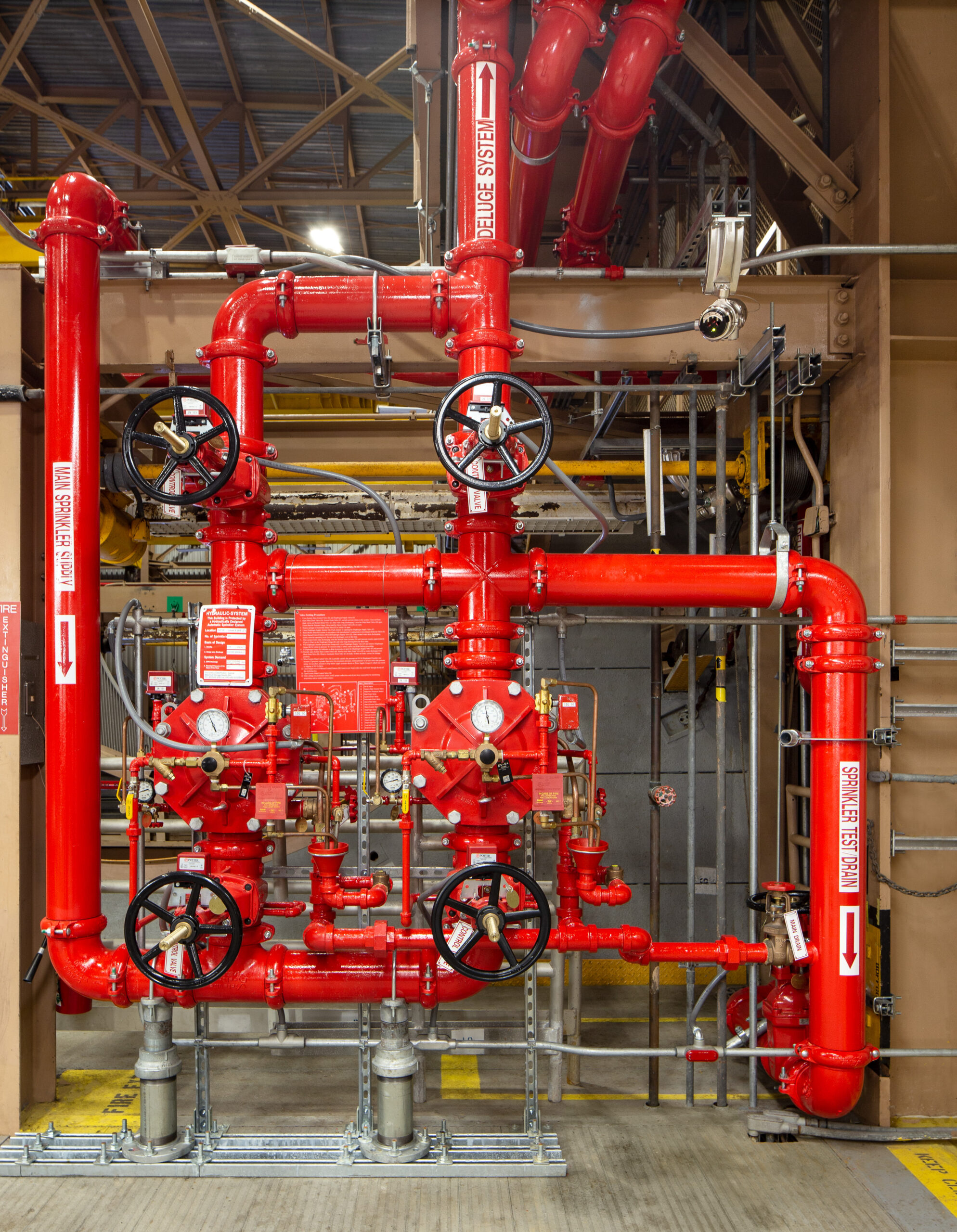
- Deluge & Wet Pipe Systems: Complete deconstruction of legacy piping, replaced with new valves, precision accessories, and high-volume delivery systems.
- Underground Infrastructure: Installation of new underground utility lines to harden and upgrade the main water source feeding the facility.
2. Advanced Detection & Controls
To ensure rapid response, a sophisticated electronic nervous system was integrated throughout the high-bay platforms:
- Sensor Array: Deployment of state-of-the-art fire and smoke sensors.
- Command Systems: New control panels and thousands of linear feet of interconnecting conduit and wiring to provide real-time monitoring and fail-safes.
3. Environmental & Multi-Disciplinary Execution
Operating within a 40-year-old high-consequence facility required rigorous environmental stewardship and diverse trade coordination:
- Hazardous Material Mitigation: Comprehensive testing and remediation of RCRA heavy metals, asbestos, and PCBs.
- Integrated Trades: Management of complex scopes including precision earthwork, structural steel reinforcement, specialized coatings, and heavy electrical integration.